Enhance Your Outdoor Aesthetics with Sustainable Hardscaping Techniques Dec 13, 2025
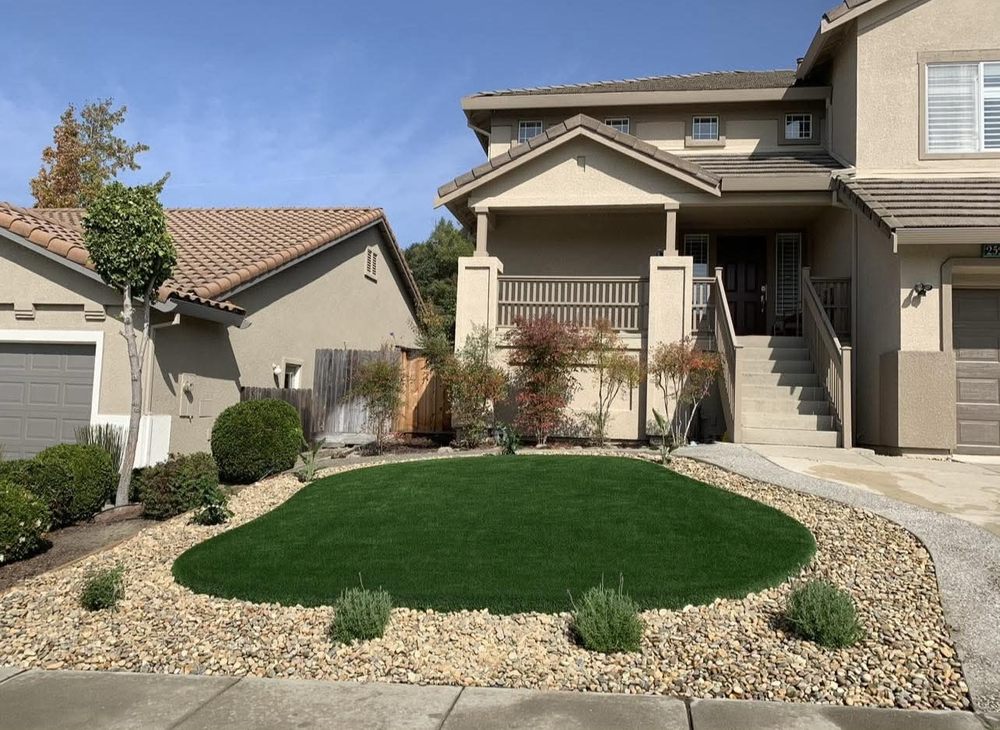
Hardscaping refers to the use of non-plant elements in landscape design, including pathways, patios, retaining walls, and more. When applied with sustainability in mind, these features can significantly enhance the beauty and ecological friendliness of your outdoor area. Let's explore some of the sustainable techniques that are both visually appealing and environmentally sound.
Permeable pavers are a cornerstone of sustainable hardscaping. These innovative materials allow water to pass through, reducing runoff and helping to manage stormwater efficiently. Unlike traditional paving, permeable options aid in replenishing local water tables and prevent erosion by letting water naturally filter through the soil. This process not only supports a healthier planet but also helps during heavy rainfall by keeping your hardscapes intact.
Incorporating natural stone into your landscape design serves as another eco-friendly technique. Natural stone is durable, abundant, and aesthetically versatile, providing a timeless and sustainable option for various hardscaping projects. Choosing local stone also minimizes transportation emissions and supports local economies. At Digging Dudes, we advocate for the use of reclaimed or recycled materials, wherever possible, to further lessen the environmental footprint.
Additionally, designing with intention is key to sustainable hardscaping. This means carefully considering the placement and scale of elements in your yard to maximize functionality and beauty with minimal environmental disruption. By integrating raised beds or terraces, you can manage slopes more effectively, reducing soil erosion while creating stunning visual interest. These techniques help to optimize space and can be crucial in small properties where every inch counts.
When it comes to patio design, choosing sustainable materials is critical. Opt for products made from recycled content or those that are sustainably sourced. For a unique and eco-friendly twist, consider incorporating a rain garden nearby your patio area. Rain gardens are designed to collect and absorb rainfall, providing a natural habitat for local wildlife, and adding to the aesthetic appeal of your landscape.
Lighting is another crucial element in creating a sustainable outdoor experience. Installing solar-powered lights not only reduces your electricity bills but also decreases your home's carbon footprint. Strategically placed solar lights can highlight key features of your landscape while providing safe passage along paths and stairways.
In conclusion, by embracing sustainable hardscaping techniques, you can create an inviting outdoor space that not only looks beautiful but also respects the environment. Digging Dudes is committed to helping you achieve your landscaping dreams with solutions that prioritize sustainability. Whether you're interested in reducing runoff, recycling materials, or simply creating a more eco-friendly environment, our team can guide you through the process.
Reimagining your exterior with these sustainable practices will not only enhance your property's aesthetics, it will also contribute positively to the environment, ensuring that your outdoor sanctuary remains a haven for years to come. With thoughtful design and the right materials, your landscape can be both a personal retreat and an ecological asset. Embrace the beauty of sustainable hardscaping and transform your outdoor space with the help of Digging Dudes.
/filters:no_upscale()/filters:format(webp)/media/e48e054f-cf2f-4c91-9474-55a3c3773b06.jpeg)